

Think about the last time something went wrong in your home.
Maybe a pipe burst at 11 p.m. Maybe your AC quit in the middle of July. Maybe you finally decided to stop living with a kitchen that hasn’t been updated since 1987.
Whatever it was, you didn’t flip through a phone book. You grabbed your phone, typed a few words into Google, scanned a handful of results, checked some reviews, and made a call probably within ten minutes.
That moment—that ten-minute window—is where home service marketing either works or it doesn’t.
If your business shows up, looks credible, and gives that person a reason to trust you before they’ve ever met you, you get the call. If it doesn’t, your competitor does.
This guide is for the home service business owner who wants to earn that call consistently and build a brand that keeps customers coming back and sending their neighbors your way.
Home services marketing is the strategic use of digital and traditional marketing tactics to promote businesses that provide services directly to homeowners and residential customers. It’s a marketing strategy designed to build brand visibility, earn customer trust, and generate a consistent pipeline of qualified leads in a defined service area.
Whether you’re a contractor, exterminator, HVAC company, or any other business providing solutions to customers at their places of residence, home services marketing ensures you have a strong plan to promote your name, your story, and your capabilities to homeowners in need of whatever it is you can do for them.
What Is Home Services Marketing?
Home services marketing is the strategic use of digital and traditional marketing tactics to promote businesses that provide services directly to homeowners and residential customers.
It covers a wide range of industries, including:
- HVAC
- Plumbing
- Electrical
- Roofing
- Pest control
- Lawn care and landscaping
- Pool construction and service
- Home remodeling and renovation
- Interior design
- Home restoration
- Garage door installation and service
- Well drilling
- And many others
While home service companies share a lot of marketing DNA with other service businesses, they also face unique challenges that shape how they should approach their marketing strategy.
Why Does Home Services Marketing Matter?
You already know you’re good at what you do. Your work speaks for itself, your team is skilled, your existing customers are happy, and your reputation among those who know you is solid.
But none of that matters if no one outside your circle of current customers knows who you are and what you can do for other homeowners in your service area.
The home services industry is one of the most competitive local business landscapes in the country. Think about the number of HVAC companies operating in your service area right now. Or the number of plumbers, roofers, and lawn care companies. The odds are good that several of them are working just as hard as you are to reach the same customer base.
And the competition isn’t just local anymore. National franchises and large regional players have entered many home service verticals with deep marketing budgets and brand recognition that individual operators have to work hard to compete with.
Strategic marketing is how you compete.
It’s about putting your brand in front of homeowners who need your services before they do, so that when the moment comes, your name is the one they remember. It’s how you show up on page one of Google when someone searches for “HVAC repair near me” at midnight. It’s how you collect and showcase the reviews that make a first-time customer feel confident picking up the phone. It’s how you build a business that grows not just through referrals (though those remain invaluable) but through a reliable, scalable pipeline of new customers and repeat business.
Without a strategic marketing plan, even the best home service companies leave growth on the table.
8 Steps to Building an Effective Home Service Marketing Strategy
1. Know Your Market
Before you can market effectively, you have to understand the environment you’re marketing in. That means taking a clear-eyed look at your competitive landscape, your service area, and the trends shaping your corner of the home services industry.
Your Competitors
Start by identifying who else is competing for your customers’ attention. Who are the top two or three companies in your vertical and service area? What does their marketing look like? Where do they show up—Google, social media, direct mail, billboards? What are customers saying about them in reviews?
You don’t need to copy your competitors. You need to understand them well enough to identify the gaps—the things they’re not doing, the audiences they’re not reaching, the channels they’re underusing—and take advantage of them.
Your Service Area
Home service marketing isn’t one-size-fits-all, even within a single company. A plumbing company serving three counties may need to target different neighborhoods, demographics, or seasonal needs across its service area. Getting specific about where your most valuable customers are located and where your growth opportunities exist helps you put your marketing dollars to work more efficiently.
Seasonal and Industry Trends
Home services are often a seasonally driven industry. HVAC companies see surges in spring and fall. Lawn care ramps up in spring and tapers off in winter. Even pest control has its seasons. Restoration companies most often respond to weather events. Understanding the seasonal rhythms of your business and planning your marketing calendar around them gives you a meaningful advantage over competitors who are still reacting when you’re already positioned.
It’s also worth staying up to date on broader industry trends. Shifts in consumer expectations, technology, and sustainability practices can all affect how homeowners evaluate and choose service providers. Staying ahead of those shifts positions your brand as a forward-thinking leader in your market.
2. Define Your Goals

A strategy without goals is just activity. And activity without direction doesn’t grow a business, it just keeps it busy.
Defining clear, specific goals for your marketing gives your team a target to work toward and gives you a way to measure whether your investment is paying off.
SMART Goals
The most useful goals are SMART goals, or goals that are specific, measurable, achievable, relevant, and time-bound.
For example, if your goal is to bring in more new customers, a SMART version of that goal might be:
“Increase qualified leads from digital channels by 20% within the next 12 months.”
This goal is:
- Specific: A 20% increase in qualified leads from digital channels.
- Measurable: Lead volume can be tracked through your website, call tracking, and CRM.
- Achievable: A 20% increase is ambitious but realistic for a company investing in a focused digital strategy.
- Relevant: Lead generation is directly tied to business growth.
- Time-bound: 12 months provides a clear deadline and review point.
Other common SMART goals for home service companies include increasing conversion rates from website visitors to booked appointments, improving cost-per-lead from paid advertising, and growing the percentage of repeat customers year over year.
Whatever your goals are, document them, share them with your marketing partner, and revisit them regularly. They should guide every marketing decision you make.
3. Define Your Audience
You’d be surprised how many home service companies skip this step. They know they serve homeowners, and they assume that’s enough. But “homeowners” is not an audience—it’s a demographic category covering tens of millions of people with wildly different needs, budgets, and decision-making habits.
The more clearly you define your ideal customer, the more effectively you can reach them.
Who Are They?
Start with the basics: age, household income, homeownership status, geographic location, and family makeup. A roofing company targeting owners of older homes in established neighborhoods is reaching a different person than one targeting new-construction homeowners in a growing suburb. Those differences affect your messaging, your channels, and even your offers.
How Do They Think?
Beyond demographics, consider the psychographics of your audience. Are they DIY-minded people who have tried to solve the problem themselves and given up? Are they cautious decision-makers who will read every review before making a call? Are they busy professionals who want the process to be fast, easy, and handled? Understanding how your customers think helps you frame your marketing so it meets them where they are.
What’s the Nature of Their Need?
This is where home services marketing gets interesting. Some customers are in full emergency mode—water is actively pouring through the ceiling, and they need someone now. Others are in research mode—they’re three months away from wanting to start a kitchen remodel, and they’re evaluating their options. Others are in routine-maintenance mode—they want a lawn care company they can count on season after season.
Each of these customers needs to hear messages specific to their circumstances. If you work with emergency situations, your customers need to know you’re fast, available, and reliable. If you’re competing for non-emergency, one-time projects, your customers need to know you’re credible, experienced, and worth the investment. If you provide repeated services throughout the year, your customers need to know you’re consistent, trustworthy, and easy to work with.
Building detailed customer personas that reflect these different types allows you to create marketing that speaks directly to each of them, rather than broadcasting a generic message and hoping it lands.
4. Build a Brand Worth Trusting
We said it earlier, and it’s worth saying again: in the home services industry, trust is the price of admission.
Before a customer lets you through their front door, they need to trust that your company is legitimate, capable, and honest. Your brand—everything from your logo and color palette to the way your team answers the phone—is what earns that trust before you’ve ever had the chance to prove yourself in person.
Brand Identity
Your brand identity is everything your customers can see. It’s your logo, your colors, your typography, the look of your website, the design of your direct mail pieces, the wrap on your service vehicles. When all of these elements are consistent and professional, they signal to potential customers that you run a tight ship—that you’re the kind of company that pays attention to details.
When there is inconsistency (for instance, your Facebook page uses a different logo than your website, or your truck wrap looks like it was designed in a different decade than your business card), it creates subtle doubt. And creating doubt in this industry can and will cost you.
Brand Voice
Your brand voice is what people hear when they read your website, see your social posts, or receive your direct mail. Is your voice warm and approachable, or stiff and corporate? Does it feel like a real company run by real people, or does it sound like a press release?
For most home service companies, a voice that is honest, clear, and conversational tends to resonate most with homeowners. You don’t need to sound like a Fortune 500 company. You need to sound like someone your customer would be comfortable inviting into their home.
Brand Consistency
Once you’ve established a brand with a clear identity and voice, the most important thing you can do is use it consistently. A branding guideline—a documented reference for how your brand should look and sound across all platforms and materials—is the tool that enables consistency, especially as your team grows.
For a deeper look at building a strong brand, check out our Definitive Guide to Branding.
5. Establish or Strengthen Your Web Presence

If your brand is the foundation, your website is the front door.
It’s where potential customers go to decide whether to call you. It’s what search engines evaluate when determining whether to show you to someone searching for the services you offer. It’s the hub around which your entire digital marketing strategy revolves.
A website that is outdated, hard to navigate, slow to load, or not optimized for mobile isn’t just unhelpful—it’s actively costing you customers.
What Your Website Needs to Do
Your home service website needs to accomplish a few critical things:
Clear communication: It needs to clearly communicate what you do and where you do it. The moment someone lands on your site, they should immediately understand the services you offer and the areas you serve. If they have to dig to find that information, most will leave before they find it.
Straightforward path toward action: It needs to make it easy for the visitor to take the next step. Whether that means calling you, submitting a contact form, or booking an appointment, the path to action should be obvious and frictionless on every page. Your phone number should be visible on every screen, including mobile.
Simple usability: It needs to be fast and mobile-friendly. The majority of home service searches happen on mobile devices, often in moments of urgency. If your site takes more than a few seconds to load or is difficult to navigate on a phone, you are losing business.
Optimization for search and generative engines: It needs to be built for search engines and generative engines like ChatGPT, Gemini, Claude, etc. A professionally designed website that no one can find is a missed opportunity. Search engine optimization (SEO)—the practice of building and maintaining your site in ways that help search engines understand and rank your content—is what puts your business in front of the homeowners who are actively looking for what you offer. Generative engine optimization (GEO)—the practice of crafting your content to appeal to AI-driven platforms—is what lands you as a source or citation in relevant responses.
Local SEO
For home service companies, local SEO deserves special attention. Local SEO is the practice of optimizing your online presence to appear in location-specific searches—”plumber in [city]” or “HVAC repair near me.” Key components include your Google Business Profile (keeping it accurate, complete, and regularly updated), consistent business listings across directories, and locally relevant content on your website.
For a deeper look at SEO for local businesses, check out our Definitive Guide to Local SEO.
When to Update Your Website
Your website is not a one-and-done investment. Check these warning signs, and if any apply to you, it’s time for an update:
- It’s been more than three years since your last significant update.
- Your site is not mobile-friendly.
- Pages are slow to load.
- Your branding, services, or service areas have changed since the site was built.
- Traffic and leads from your site have declined without a clear explanation.
- Your SEO reflects old standards rather than current best practices.
For more on building and maintaining an effective website, check out our Definitive Guide to Website Design.
6. Manage Your Reputation

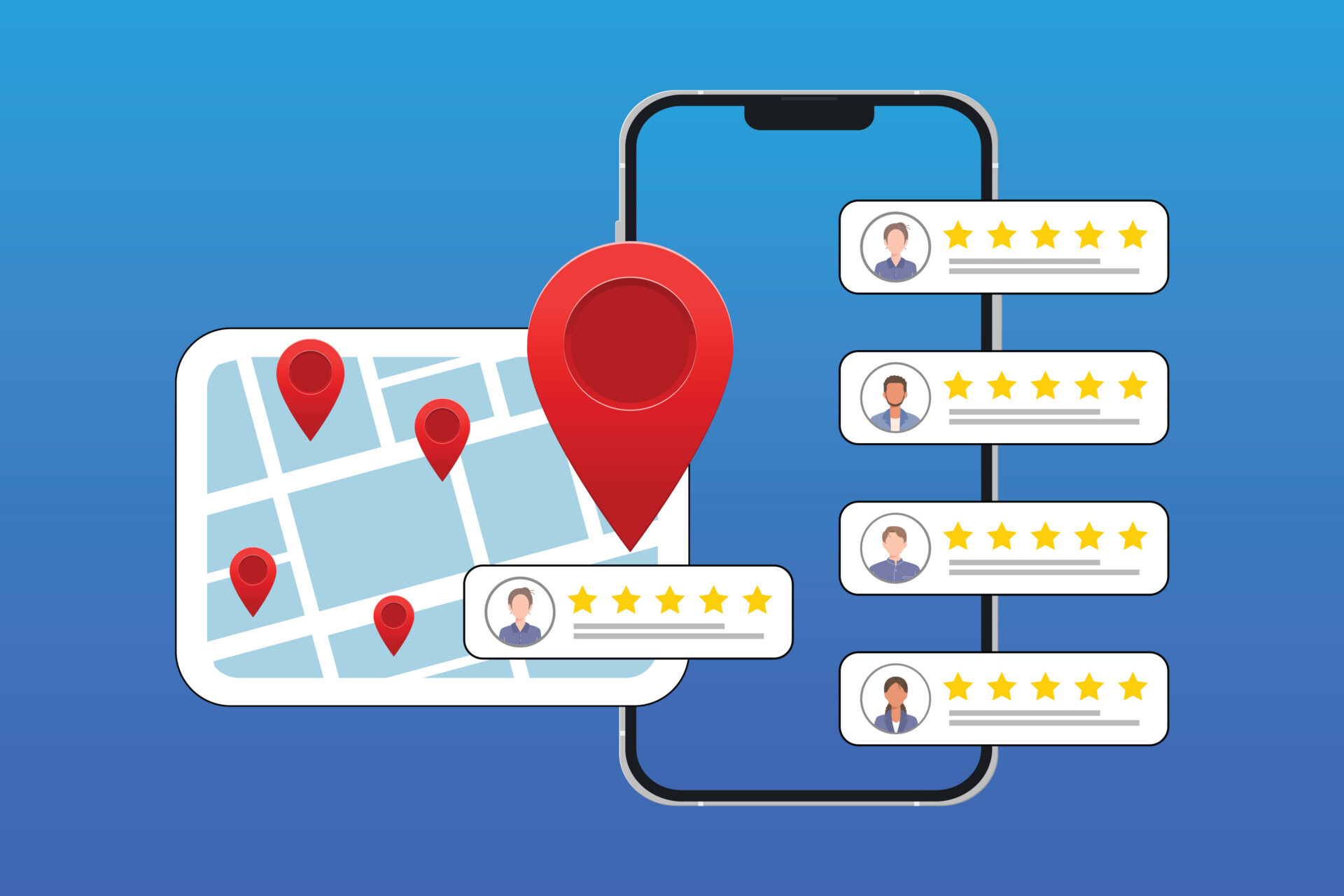
Did you know that the vast majority of consumers say they read online reviews before hiring a local service business? And most customers trust the reviews they read as if they were personal recommendations.
In the home services industry, your reputation online is your reputation, period.
This makes reputation management—the active, strategic practice of building, monitoring, and responding to your online reviews—one of the most important and often underinvested areas of home service marketing.
Why Reviews Matter So Much in Home Services
Think back to the trust factor we discussed at the top of this guide. The customer who finds you through a Google search has never met you. They have no frame of reference for whether you’re reliable, fairly priced, and pleasant to work with. What they do have is your reviews, and they’re reading them carefully.
A strong collection of recent, positive reviews doesn’t just make your business look good; it also helps it perform better. It directly influences whether a potential customer chooses to call you over a competitor. It also affects your local search rankings; Google considers review quantity, recency, and response activity as signals of a credible, active business.
Building Your Review Volume
The single most effective way to get more reviews is to ask for them consistently, systematically, and at the right moment. The right moment is typically right after the job is complete, when the customer is satisfied, and the experience is fresh.
This can be as simple as a team member asking in person, or as streamlined as an automated follow-up message sent to the customer’s phone or email with a direct link to your Google Business Profile. The key is consistency. Businesses that build review-request processes into their standard post-job workflow accumulate reviews steadily over time. Those that rely on happy customers to leave reviews voluntarily get a fraction of the feedback they deserve.
Respond to Reviews—All of Them
Every review your business receives deserves a response. For positive reviews, a brief, warm, personalized thank-you goes a long way, as it shows prospective customers that there are real people behind the business who care about the experience they deliver. For negative reviews, a professional, empathetic, and solution-oriented response can actually strengthen trust with potential customers who are watching how you handle difficult situations.
Ignore negative reviews at your own risk. A bad review that sits unanswered signals indifference. A thoughtfully handled complaint signals integrity.
Monitor Your Reputation
Beyond Google, reviews live on platforms like Facebook, Yelp, Angi, HomeAdvisor, and others, depending on your vertical. Monitoring what’s being said about your business across all of these platforms and responding promptly is essential to maintaining the trust you’ve worked to build.
7. Execute a Multichannel Marketing Campaign
Steps 1–6 have been the groundwork. This is where it all comes together.
A multichannel marketing campaign uses a combination of tactics across digital and traditional channels to consistently put your brand in front of your target audience across multiple touchpoints over time. No single tactic does the whole job. But the right mix of tactics, working together toward your goals, builds the kind of visibility and trust that drives lasting growth.
Here are some of the more effective tools in the home services marketing toolkit:
Pay-Per-Click (PPC) Advertising
PPC advertising puts your brand at the top of search results the moment someone searches for the services you offer. Google Ads and Microsoft Ads allow you to bid on relevant search terms—”emergency plumber,” “roof replacement near me,” “HVAC tune-up”—and appear as a sponsored result when those searches happen in your service areas.
For home service companies, PPC is particularly valuable because of its immediacy. When someone searches for a service they need right now, they want results fast. A well-managed PPC campaign makes sure your business is one of the first things they see.
PPC ads can appear as search ads (at the top of Google results), display ads (banner ads on websites across the Google Display Network), and video ads (before or during YouTube videos). For home services, search ads typically drive the highest-intent traffic and the most qualified leads.
For a deeper look at paid search advertising, check out our Definitive Guide to Search Engine Marketing.
Google Local Services Ads
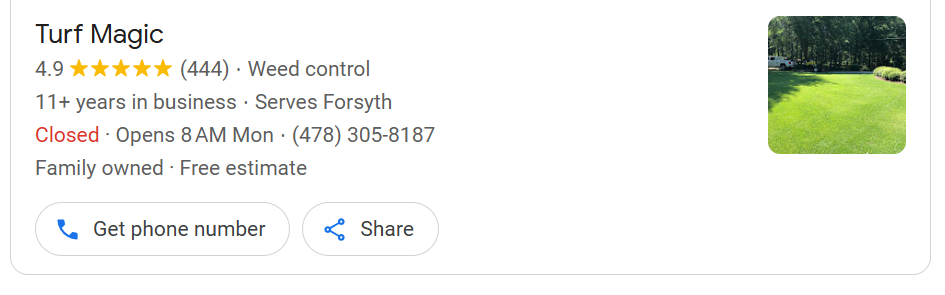
Worth calling out separately from traditional PPC are Google Local Services Ads (GLSAs). This is a specific ad format designed for local service businesses, with ads that appear above standard search results and PPC ads. The ad displays your business name, rating, and review count, and the format operates on a pay-per-lead model rather than pay-per-click. For home service companies, GLSAs can be one of the most cost-effective ways to generate qualified leads from Google, and the Google Guaranteed badge that comes with them adds an additional layer of credibility with potential customers.
Social Media Advertising
Social media platforms—Facebook and Instagram in particular—offer powerful targeting capabilities that let you reach homeowners in your service areas based on demographics, interests, and behaviors.
Social ads work especially well for home service companies that offer planned or recurring services (landscaping packages, annual HVAC maintenance agreements, home remodeling projects), where you can build awareness and consideration before the need becomes urgent. They’re also effective for seasonal promotions and limited-time offers.
Ad formats include graphic posts, carousels, video ads, and story ads. For home services, before-and-after imagery and short video walkthroughs of completed projects can be particularly compelling.
For more on social media advertising, check out our Definitive Guide to Social Media Marketing.
Geofencing Advertising
Geofencing is a location-based advertising tactic that targets users when they enter a defined geographic area—a neighborhood, a competitor’s service area, a home improvement store, or anywhere else your potential customers are likely to be—and serves them mobile ads on their smartphone or tablet.
For home service companies, geofencing is a smart way to stay visible in the exact areas you want to grow. Imagine serving ads to everyone who walks into a home improvement store in your target zip code, or everyone who visits a competing company’s service area. That kind of precision targeting is a significant advantage.
For more on geofencing, check out our Definitive Guide to Geofencing and Location-Based Marketing.
Email Marketing
Email marketing gives you a direct line of communication with your existing customers—arguably your most valuable audience. People who have already trusted you to do a job are far more likely to hire you again and to refer you to their neighbors than someone encountering your brand for the first time.
Use email marketing to stay top of mind with past customers through seasonal tune-up reminders, maintenance tips, promotional offers, and company news. Done well, a simple email newsletter keeps your brand in front of customers year-round, so that when they need you again or know someone who does, you’re the first name they think of.
For more on email marketing, check out our Definitive Guide to Email Marketing.
Direct Mail Advertising
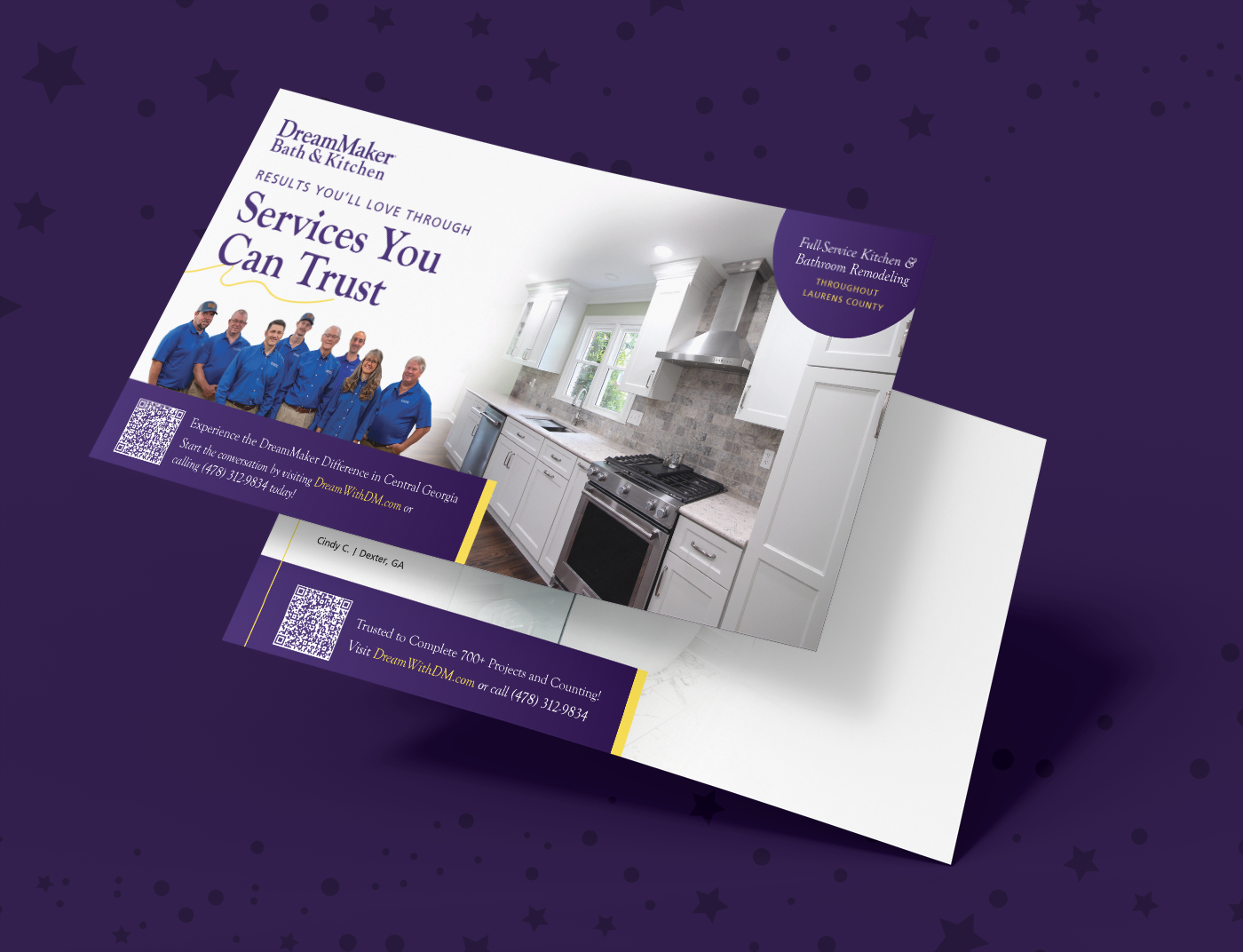
In today’s digital landscape, a well-designed piece of physical mail can stand out more than ever. Direct mail campaigns—postcards, flyers, door hangers, etc.—are a proven tactic for reaching homeowners in targeted neighborhoods and service areas with a tangible representation of your brand.
Direct mail works especially well for geographic saturation campaigns, where the goal is to build brand awareness throughout a specific service area. It’s also effective for seasonal promotions, new service announcements, and new-mover campaigns targeting recently purchased homes in your area.
Keep it visual, keep it concise, and always include a clear call to action—a phone number to call, a URL to visit, or an offer to redeem.
For more on direct mail, check out our Definitive Guide to Traditional Advertising.
Billboard and Out-of-Home Advertising
Billboard ads and other out-of-home (OOH) formats, such as vehicle wraps, yard signs, and bench ads, are highly effective tools for building brand exposure and recognition in your service area over time.
For home service companies, vehicle wraps deserve particular attention. Every truck, van, or trailer that rolls through a neighborhood is a moving billboard for your brand. A professionally designed, clearly branded service vehicle builds familiarity and trust in a way that’s difficult to replicate with any other tactic. Homeowners who see your vehicles regularly in their neighborhood begin to associate your brand with their community. That kind of association pays dividends when they need to make a call.
For billboard ads and other OOH formats, keep the message simple. Lead with your brand and a single, memorable line. Use a phone number that’s easy to remember or a short vanity URL, rather than a string of digits no one will retain.
For more on OOH advertising, check out our Definitive Guide to Traditional Advertising.
Commercial Photography and Video
We’ve saved one of the most underappreciated tools for last. In the home services industry, showing is as important as telling, if not more so. And stock photography simply doesn’t cut it.
Real photos of your team doing real work on real projects communicate authenticity and credibility in a way that generic images never can. A before-and-after photo of a bathroom remodel, a shot of your uniformed technician shaking hands with a smiling homeowner, a short video walkthrough of a completed landscaping project—these are the kinds of images that turn a skeptical prospect into a confident caller.
Investing in professional commercial photography and video content gives you high-quality assets that strengthen your website, social media presence, ads, and sales materials all at once. It’s one of the highest-leverage marketing investments a home service company can make.
For more on commercial photography, check out our Definitive Guide to Commercial Photography.
8. Evaluate Performance
Launching a marketing campaign is not the finish line—it’s only the start.
Consistent, data-driven evaluation of your campaign’s performance is what separates businesses that grow from their marketing investment from those that only spend money on it without tracking it.
Key metrics to monitor for home services marketing include:
- Website traffic—overall volume and trends over time
- Traffic sources—where your visitors are coming from (organic search, paid ads, social, direct, referral)
- Lead volume—total leads generated, broken down by source
- Conversion rates—the percentage of visitors or leads who take a desired action
- Cost-per-lead—how much you’re spending in each channel for each qualified lead
- Call tracking data—which ads, pages, or campaigns are driving phone calls
- Review volume and ratings—trends across your review platforms
- Email open and click rates—engagement with your email marketing campaigns
Review these metrics regularly, not just at the end of the year, but monthly at a minimum. Marketing is a dynamic process. What’s working in January may need to be adjusted by March. Campaigns that aren’t delivering results should be pivoted or reallocated. Channels that are outperforming should often get more investment.
The goal is a marketing strategy that learns and improves over time, not one that runs on autopilot and hopes for the best.
Why Partner With an Agency That Knows Home Services Marketing?
Building and executing a strategic, multichannel marketing plan takes time, expertise, and consistent attention. For most home service business owners, the business itself already demands all of that and more.
That’s where a marketing partner comes in.
But not just any marketing partner. A partner that understands the specific dynamics of the home services industry—the trust-driven buying process, the local competitive landscape, the role of reviews, the seasonal rhythms, and the importance of showing up in the right place at the right moment—is worth far more than a generalist agency applying cookie-cutter tactics to your business.
M&R Marketing has been serving home services companies since 2008, crafting individualized marketing strategies that have helped businesses across a wide range of home service verticals grow their customer base, strengthen their brand, and outpace their competition.
When you partner with M&R, you get a full-service, in-house team, including digital marketers, web developers, graphic designers, copywriters, project managers, and business development managers, all working together to build and execute the marketing strategy your business deserves.
Our process is built around four commitments:
- Alignment—We start by understanding your vision, your goals, and your numbers. No strategy begins without that foundation.
- Ownership—We take responsibility for outcomes, not just deliverables. Your growth is our growth.
- Proactivity—We bring ideas to the table before you have to ask. We’re always watching your market and looking for the next advantage.
- Integration—We work as an extension of your team, not an outside vendor. The difference is real, and our clients feel it.
Want to see what that looks like in practice? Here’s what we’ve delivered for home service companies like yours:
Evergreen Propane
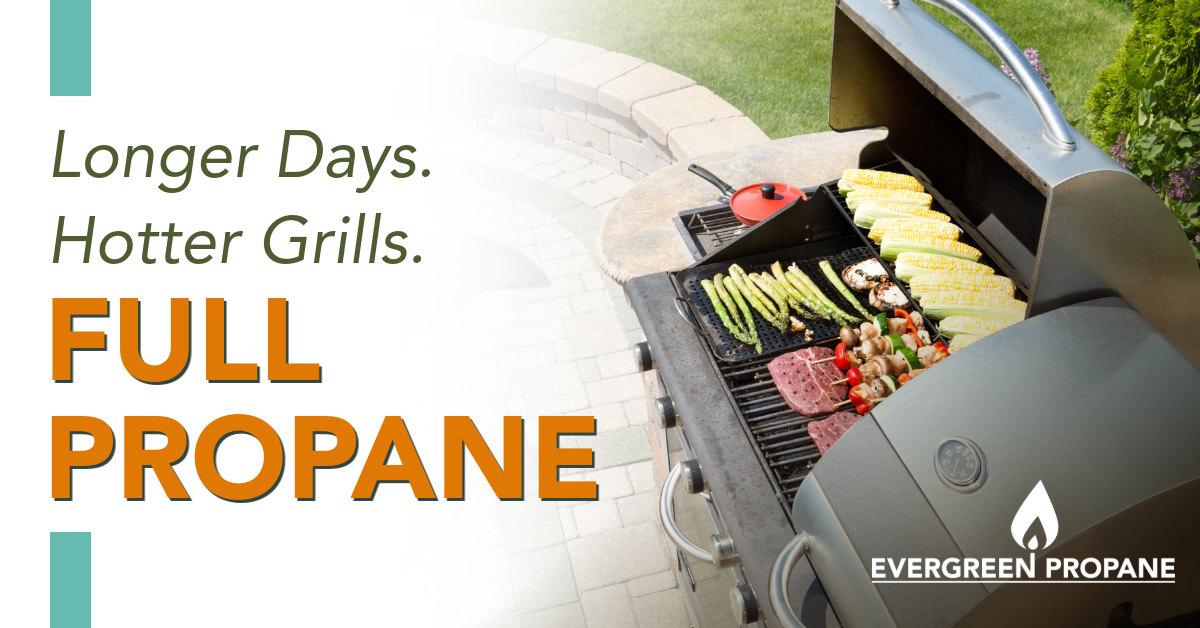
Evergreen Propane first approached M&R to increase brand awareness and drive sales of propane tanks and tankless water heaters. Here’s what a focused, multichannel strategy delivered:
Facebook Ads
- 265% increase in impressions
- 37% increase in clicks
- 26% decrease in cost-per-click
Google Ads
- 12% increase in impressions
- 10% increase in conversions
- 10% decrease in cost-per-click
Google Business Profile
- 210% increase in profile impressions
- 189% increase in profile interactions
Data represents year-over-year campaign performance.
“They took the time to get to know who we are, built a relationship, and created our website to reflect that. Also, the team built a strategy that fit Evergreen, not just a cookie-cutter plan. M&R Marketing is definitely who I would recommend to any size business. We trust the whole M&R team.”
— Debbie Busbee, Chief Executive Assistant, Evergreen Propane
Additional Home Services Clients We’ve Served
- AfterCare Restoration
- Dixie Lawn & Landscaping
- DJ Pump Service
- DreamMaker Bath & Kitchen of East Georgia
- Lake Country Pools
- National Exterminating
- Overhead Door Company
- Previews Interiors
- Turf Magic
Types of Home Services Companies We Work With
- Electrical
- Garage-door installation and service
- General contracting
- Home improvement and remodeling
- Home restoration
- Home security
- HVAC
- Interior design
- Landscaping
- Lawn care
- Pest extermination
- Plumbing
- Pool construction
- Roofing
- Tree removal
- Well drilling
Build a Home Service Marketing Strategy That Works
The homeowners in your market are searching for the services you offer right now. The question is, “Are they finding you or your competitor?”
A strategic, well-executed marketing plan puts your brand in the right places, at the right moments, with the right message to earn their trust and their business. And it keeps delivering results for months and years to come.
Ready to see what that looks like for your company? Call us today and let’s get started: 478-621-4491
More Definitive Guides From M&R Marketing: