

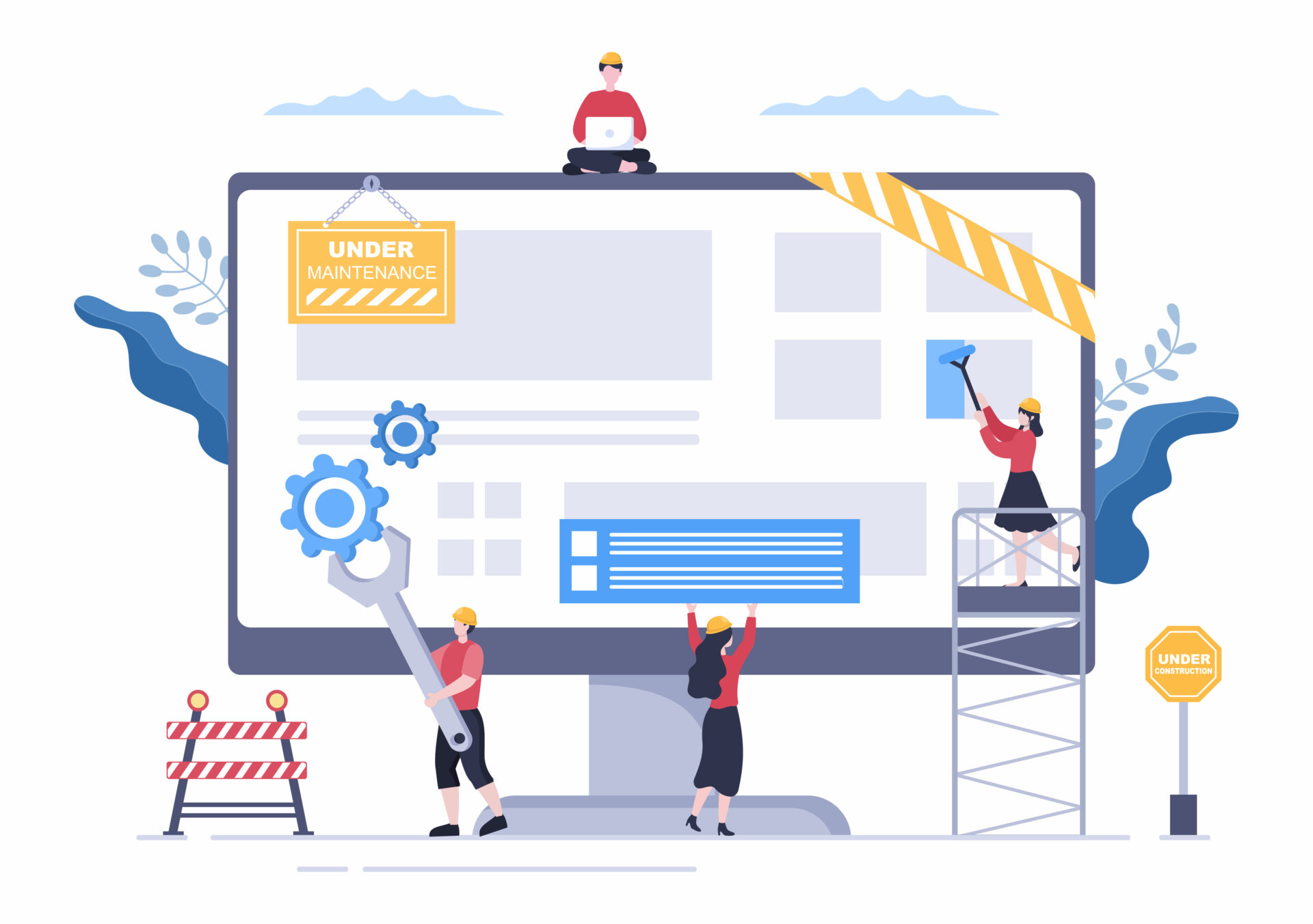
A website that’s outdated, slow, hard to update, or misaligned with your current brand can hurt your visibility and credibility. From mobile responsiveness to SEO readiness, six signs help identify when your website is no longer supporting your goals—and when it’s time to invest in a strategic update that improves both user experience and performance:
- Outdated look or UX
- Lack of mobile readiness
- Slow loading speeds
- Difficult update process
- Poor search performance
- Failure to reflect changes in the business
Your website is often the first impression your audience has of your business. If that impression feels clunky, confusing, or dated, you’re not just losing style points—you’re losing conversions, search visibility, and trust.
Digital standards evolve fast. What worked even three years ago may now feel sluggish, look off-brand, or actively work against your marketing goals. If you’re unsure whether it’s time to invest in a redesign or rebuild, here are six unmistakable signs that your site needs an upgrade.
It Looks—and Feels—Outdated
Design is about more than just aesthetics—it signals relevance, credibility, and professionalism. If your site hasn’t been touched in years, it likely shows. Visual elements may feel heavy or cluttered. Branding may no longer reflect your identity. Layouts may rely too heavily on desktop norms in a mobile-first world.
Often, users can feel a dated site before they consciously register it. Fonts seem small, the menu feels cramped, and stock images feel like placeholders from a decade ago. Even if the content is accurate, the presentation quietly tells visitors they’ve stepped into a digital time capsule.
When that happens, users are more likely to bounce, long before you’ve had a chance to earn their interest or trust.
It’s Not Mobile-Friendly
More than half of web traffic comes from mobile devices, yet many older websites weren’t designed with mobile users in mind. If your site still relies on fixed-width layouts or makes users pinch and zoom to read content, you’re creating friction with every visit.
A mobile-friendly site isn’t just about resizing. It requires thoughtful design decisions—streamlined navigation, larger tap targets, and layouts that adapt fluidly to different screens. Beyond the user experience, Google’s mobile-first indexing means a non-responsive site may already be taking a hit in search rankings.
If your site isn’t built for mobile users, it’s not built for most users.
Your Site Is Painfully Slow
Speed has never mattered more. According to Google, users are significantly more likely to abandon a page if it takes longer than three seconds to load. Yet outdated websites often have bloated code, uncompressed images, and server inefficiencies that slow everything down.
Slow sites frustrate visitors and signal poor quality to search engines. Worse, the longer a page takes to load, the more it disrupts your funnel. A well-targeted ad or organic click loses its value if the destination page sputters to life.
A performance-optimized site loads quickly, keeps users engaged, and improves the likelihood they’ll take action.
You Can’t Make Simple Updates Easily
If every small change to your website requires contacting a developer—or worse, manually editing code—you’re dealing with a system that’s holding you back. Marketing teams need agility. Whether swapping out event dates, updating a headline, or launching a new landing page, being able to make quick changes internally is a must.

Many older websites lack a user-friendly content management system (CMS) or are built on rigid, developer-only platforms. Over time, that bottleneck slows down campaigns, stalls updates, and prevents you from fully capitalizing on your digital strategy.
A modern website should empower your team, not tie their hands.
You’re Invisible in Search
If your site isn’t showing up in relevant searches—or if your traffic has declined without explanation—the problem may lie in outdated SEO infrastructure. Many older sites lack foundational elements like clean URLs, heading structure, mobile responsiveness, and schema markup.
Search engines prioritize performance, structure, and usability. A visually beautiful site can still fall flat in rankings if it’s missing those technical basics. And if the last time your site was optimized was before Google’s last major algorithm update, you’re likely behind.
An update gives you the opportunity to rebuild the foundation, ensuring your site is crawlable, indexable, and aligned with modern SEO best practices.
Your Business Has Evolved—but Your Site Hasn’t
Few things age a site faster than a business that’s outgrown it. Maybe you’ve added services, expanded your team, pivoted industries, or refreshed your brand, but your website still tells the story of who you were five years ago.
That kind of disconnect doesn’t just confuse users—it can actively undermine your credibility. Visitors land on your homepage expecting one thing and see messaging, visuals, or services that don’t match your current offering. That creates hesitation, which translates to lost opportunities.
Your website should evolve alongside your business. If it doesn’t reflect your goals, your audience, or your story today, it’s time to rethink the platform that’s supposed to represent you.
How Often Should a Website Be Updated?
There’s no universal expiration date for websites, but most organizations benefit from a major refresh every 3 to 5 years. That timeline can be shorter for businesses operating in fast-moving markets or industries where visual polish and functionality are key to perception.
That said, smaller content and UX updates should happen more frequently. If you’re constantly running into technical or brand friction or noticing user drop-off patterns, the cost of maintaining the status quo likely outweighs the investment in an overhaul.
Know You Need a Website Update, But Not Sure Where to Start? We Can Help.
That’s where a web strategy partner can help. Whether you’re ready for a complete rebuild or just exploring your options, getting a professional assessment of your site’s performance, functionality, and alignment with your goals is a smart first step.
Let’s talk about what’s working, what’s holding you back, and what your site could be doing better for your users and your bottom line. Contact us today: 478-621-4491
Detailed Marketing Deets
Want some profound insight into all things marketing? Check out our Definitive Guide Series for detailed information, tips, and advice regarding: