

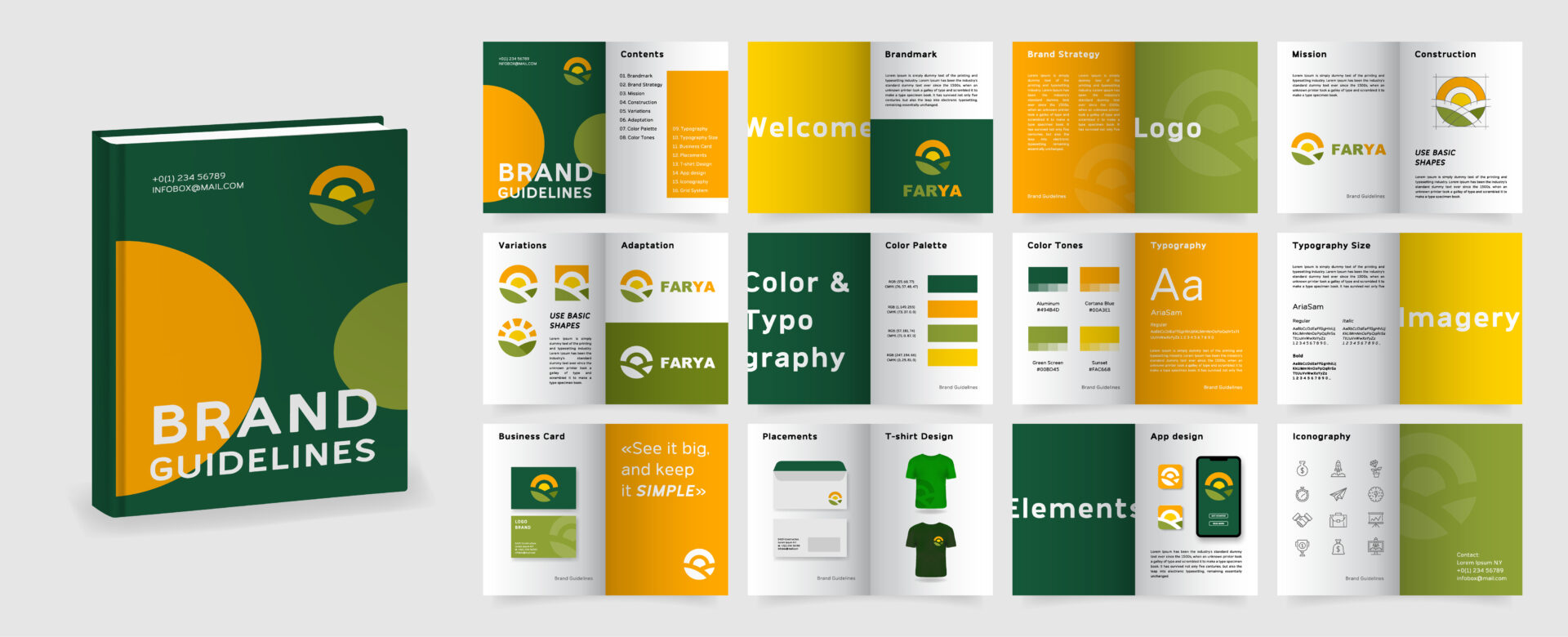
A strong, memorable brand doesn’t happen by accident—it’s built through consistency. And consistency is nearly impossible without a clear, well-documented roadmap showing your entire organization how your brand should look, sound, and feel in every situation. That roadmap is your brand style guide (often called a BSG).
Your BSG acts as the single source of truth for your company’s identity. It explains how to put your brand into the world—visually and verbally—whether you’re producing a billboard, designing a new landing page, writing an email, or posting to social media. When built well, it keeps everyone aligned: designers, writers, sales teams, developers, vendors, and even new hires.
Before diving into its components, it’s important to understand why a brand style guide is such a critical tool.
Why Your Business Needs a Brand Style Guide
Brand consistency builds trust. When customers encounter the same tone, visual style, and personality across every touchpoint, the brand becomes recognizable—and reliable.
A well-crafted style guide supports that consistency by giving your team:
- A shared visual and verbal framework
- Faster onboarding for internal teams and external partners
- Clear expectations for quality and usage
- An anchor to return to when creative work naturally expands
Without a BSG, even the strongest brand begins to drift. Colors change subtly. Fonts get swapped. Messaging loses its tone. Over time, it becomes harder for your audience to understand who you are and what you stand for.
Core Components of an Effective Brand Style Guide
No two brand style guides are identical, but the strongest ones share common foundations. They define both the visual identity and the verbal identity, while showing how those pieces work together.
Logo Standards
Your logo is your brand’s signature—its most recognizable element. The logo section of your BSG outlines everything needed to use it consistently and effectively.
Most guides include a handful of approved variations, such as the primary full-color logo, one-color versions, reversed (white) versions, horizontal or vertical layouts, and simplified icons. These variations aren’t decorative; they ensure your logo works in any context, from a small web header to a large-format billboard.
A good BSG also establishes clear space, minimum size requirements, and proper background usage so the logo always remains legible and uncluttered.
And equally important, it shows what not to do—stretching, recoloring, applying effects, rotating, crowding, or placing it on visually chaotic backgrounds. A few bad examples often do more to protect your identity than a page of rules.
Typography Standards
Typography shapes personality. It determines whether your brand feels refined, modern, energetic, playful, authoritative, or approachable.
Your style guide should identify:
- Primary typefaces for headlines and body copy
- Secondary or accent typefaces, if your brand uses them
- Hierarchy rules—what a headline should look like, how subheads should appear, how body copy is styled, and how spacing works across levels
- Web-friendly alternatives, if print and digital require different type families
These guidelines ensure that whether someone is designing a webpage, a brochure, or an email graphic, the text looks like it comes from the same organization.
Color Standards
Color is one of the fastest ways customers recognize your brand.
Your BSG should clearly define:
- Primary brand colors
- Secondary or supportive colors
- Any optional or extended palettes
- Exact color values (HEX, RGB, CMYK, Pantone)
This section often includes examples of how colors should be combined, how much contrast to maintain, and which colors should take the lead in most layouts. These guidelines keep designers from “eyeballing it” and ensure your brand looks the same in print, digital, signage, and apparel.
Brand Messaging Standards
A brand needs to look and sound a certain way. Messaging guidelines explain the verbal side of your identity: the beliefs you stand on, the personality you communicate with, and the promises you make to customers.
Most BSGs include:
- Mission statement (your purpose)
- Vision statement (your long-term direction)
- Core values (your guiding beliefs)
- Brand promise (the specific benefit customers can expect every time)
- Brand voice and tone guidelines
Voice standards usually include traits such as “confident but not arrogant,” “professional but not stiff,” or “friendly but not too casual.” Many guides include examples of on-brand and off-brand tone, which helps writers and customer-facing teams apply the rules correctly.
Real-Life Application Examples
A brand style guide is strongest when it shows, not just tells.
Effective BSGs include sample applications such as:
- Social media posts
- Business cards and stationery
- Website layouts
- Slide deck templates
- Photography style examples
- Email signatures or email marketing layouts
These real-world visuals help your team understand how the rules work together, eliminating guesswork and encouraging consistency.
Flexibility Within Guardrails
A common misconception is that a brand style guide should lock your brand in place. In reality, the best guides offer structure and flexibility.
They maintain clear boundaries—logo usage, color integrity, tone consistency—but allow space for creativity, seasonal campaigns, new platforms, and evolving marketing trends. This flexibility keeps your brand fresh without allowing it to drift into inconsistency.
What Not to Do With Your Brand
Every strong BSG includes a section devoted to misuse. Common “don’ts” include:
- Incorrect logo placement or proportions
- Off-brand colors
- Unapproved fonts
- Messaging that contradicts tone or values
- Photography that feels off-brand
- Layouts that disrupt hierarchy or spacing
These examples help protect your brand from well-intended but misguided improvisation.
A Strong Brand Style Guide Keeps Your Identity Clear and Consistent
Boiled down to the basics, your brand style guide is a foundational tool that details how to present your brand to your audience. It works to protect the integrity of your identity, streamline collaboration, and give every member of your organization the tools they need to represent your brand with confidence.
When built intentionally, your BSG becomes the backbone of your marketing presence.
Get a Fully Customized Brand Style Guide From M&R Marketing: 478-621-4491
A strong brand requires more than a great logo—it requires clarity, strategy, and a cohesive identity that your entire team can execute. At M&R Marketing, our in-house team of branding experts, designers, and copywriters build brand style guides that bring structure and personality to every touchpoint of your business.
Whether you’re launching a new identity or refining your existing one, we’re ready to help you define and elevate your brand.
Call 478-621-4491 to speak with a business development manager today!
Detailed Marketing Deets
Want some profound insight into all things marketing? Check out our Definitive Guide Series for detailed information, tips, and advice regarding: